
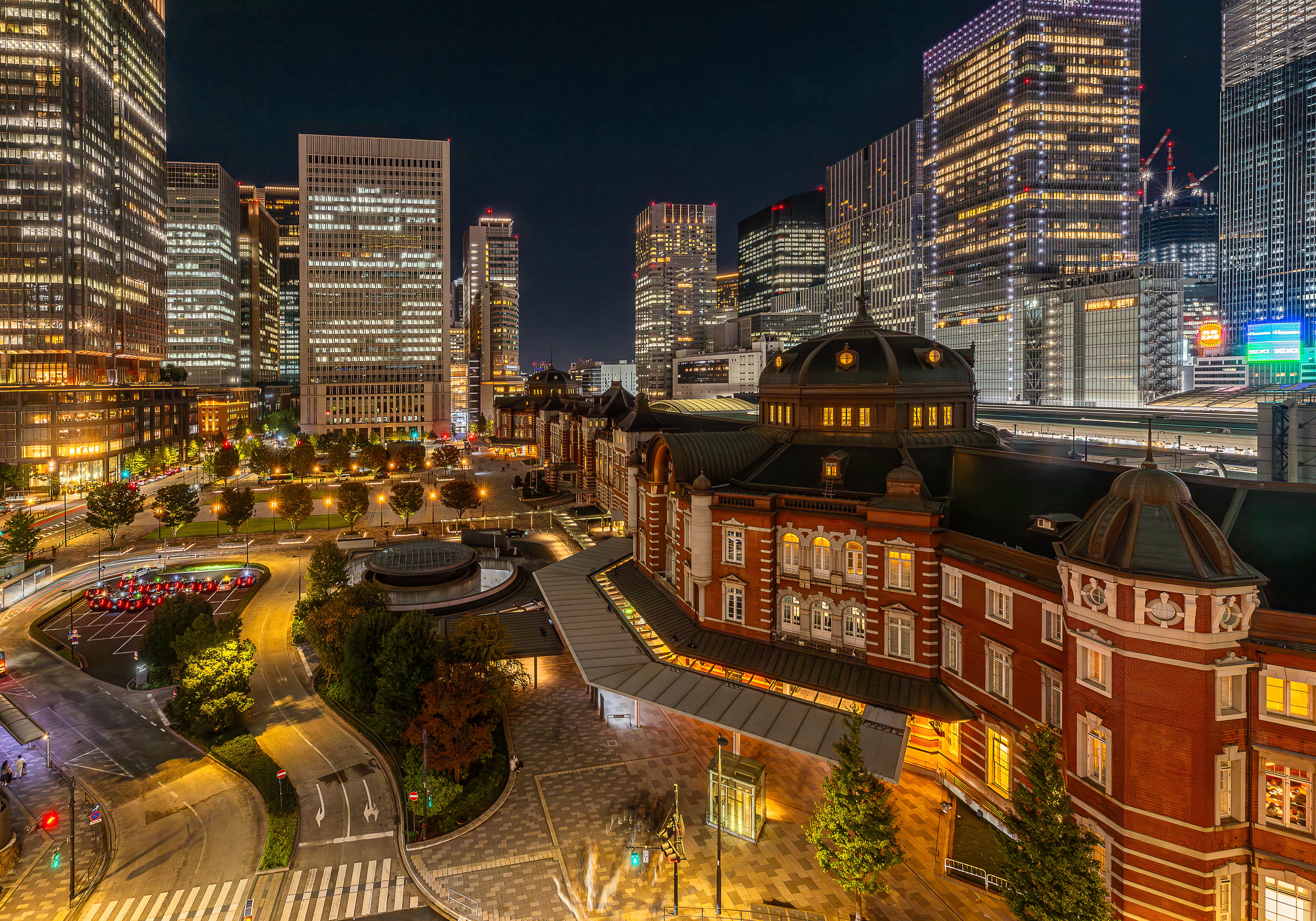
Japan is one of the most requested destinations I am planning right now, and Tokyo is usually where the journey begins.
Tokyo is enormous, exciting and filled with contrasts. Centuries old temples sit alongside modern skyscrapers, peaceful gardens are surrounded by busy neighborhoods, and some of the best meals are served at counters with fewer than ten seats.
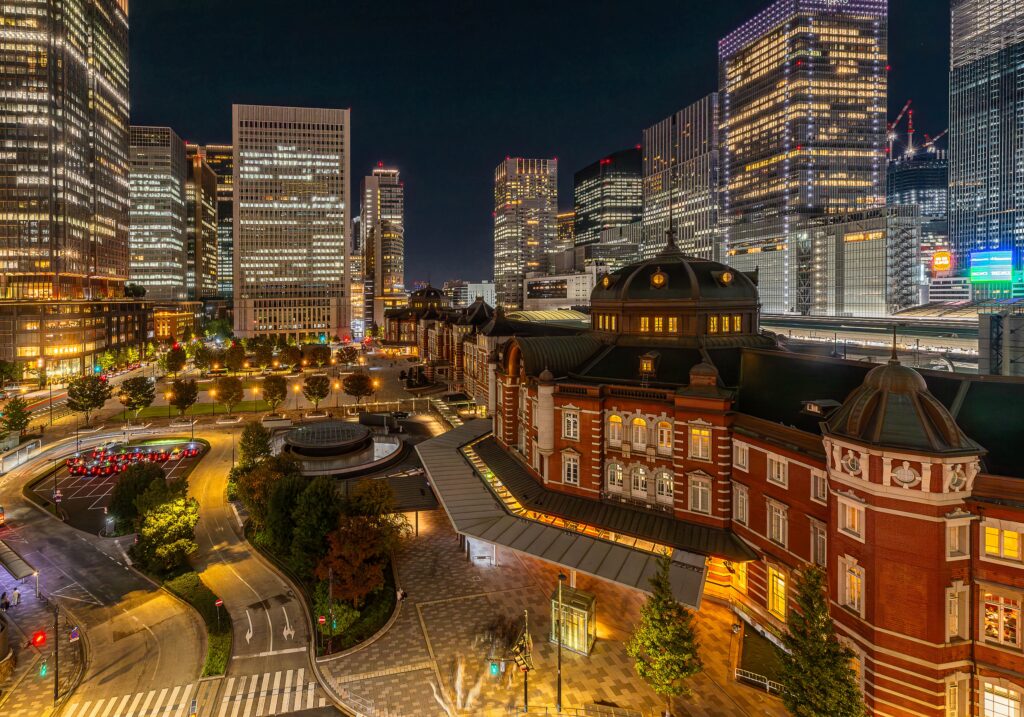
You could easily spend a week exploring Tokyo, but if you only have 48 hours, thoughtful planning makes all the difference. The goal is not to rush across the city trying to check off every attraction. It is to experience a mix of traditional and modern Tokyo while leaving enough time to enjoy the food, neighborhoods and unexpected moments along the way.
When I plan a shorter Tokyo stay, I organize each day geographically. Tokyo is easy to navigate by train, but it is much larger than many travelers realize. Grouping nearby neighborhoods gives you more time to experience the city and less time trying to get from one side to the other.
Day One: Traditional Tokyo, Ginza and an Incredible Dinner
Begin Early in Asakusa
Start your first morning in Asakusa, one of the best areas to experience a more traditional side of Tokyo.
Walk through the impressive Kaminarimon Gate and continue along Nakamise Street, where shops have been serving visitors for generations. You will find Japanese sweets, traditional crafts and small souvenirs as you make your way toward Sensoji Temple.
This is one place where arriving early really matters. The area becomes extremely busy later in the morning, so an early start will give you a quieter and more enjoyable experience.
Allow time to wander through the surrounding streets rather than immediately leaving after the temple. This is often where you will discover some of the smaller shops and details that make Asakusa so interesting.
If you would like a more personal cultural experience, this is also a good area for a private tea ceremony, a kimono experience or a sushi and soba cooking class.
Continue to Tsukiji Outer Market
From Asakusa, continue to Tsukiji Outer Market for an early lunch.
The original wholesale fish market moved to Toyosu, but Tsukiji Outer Market remains filled with seafood vendors, small restaurants, specialty food shops and Japanese kitchenware.
Arrive hungry. You might try fresh sushi, grilled seafood, tamagoyaki or some of the small bites available throughout the market. Some of the best places are simple counters with only a few seats.
Tsukiji is busiest in the morning and around lunchtime, so it is not a place I would save for late afternoon.
Slow Down at Hamarikyu Gardens
After the energy of Tsukiji, spend some time at nearby Hamarikyu Gardens.
The garden has seawater ponds that change with the tide, walking paths and a traditional teahouse located on an island. What makes it so striking is the contrast between the peaceful garden and the modern skyscrapers surrounding it.
It is a wonderful place to slow down before continuing into Ginza.
Spend the Afternoon in Ginza
Ginza is Tokyo’s most polished shopping and dining district. You will find luxury boutiques, renowned department stores, art galleries, specialty shops and some of the city’s most sought after restaurants.
Even if shopping is not your priority, Ginza is worth exploring. Visit Itoya for beautiful Japanese stationery, browse the food halls inside one of the department stores or look for Japanese tea, sake, glassware and handcrafted gifts.
Tokyo is also known for its vintage and preowned luxury shopping. If this interests you, we can allow extra time in your itinerary to explore shopping areas such as Ginza, Omotesando and Shibuya.
Finish With a Memorable Tokyo Dinner
Your first evening deserves something special.
For sushi lovers, consider an intimate omakase dinner where the chef selects and prepares each course in front of you. Tokyo also offers exceptional tempura, teppanyaki, wagyu, yakitori and kaiseki.
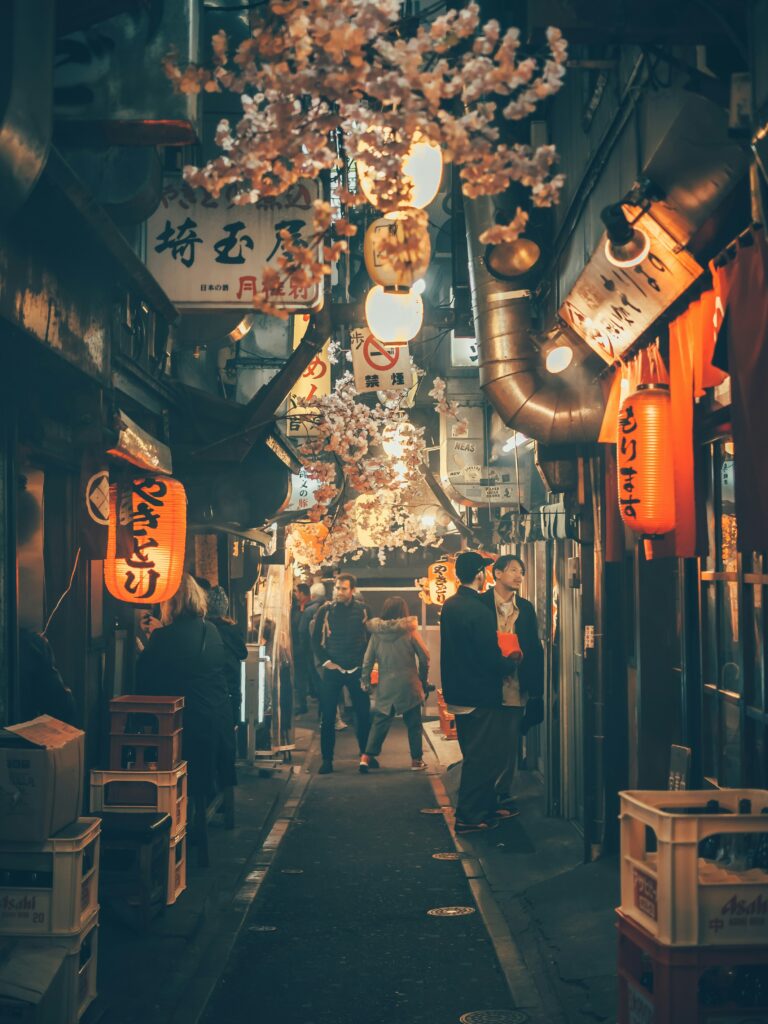
Not every dinner needs to be formal. A lively izakaya can be just as memorable, especially if you want to try several smaller dishes with sake or Japanese beer.
Many of Tokyo’s best restaurants are small, and some can be difficult to reserve. This is where advance planning and trusted local relationships become especially valuable.
Day Two: Meiji Shrine, Omotesando and Shibuya
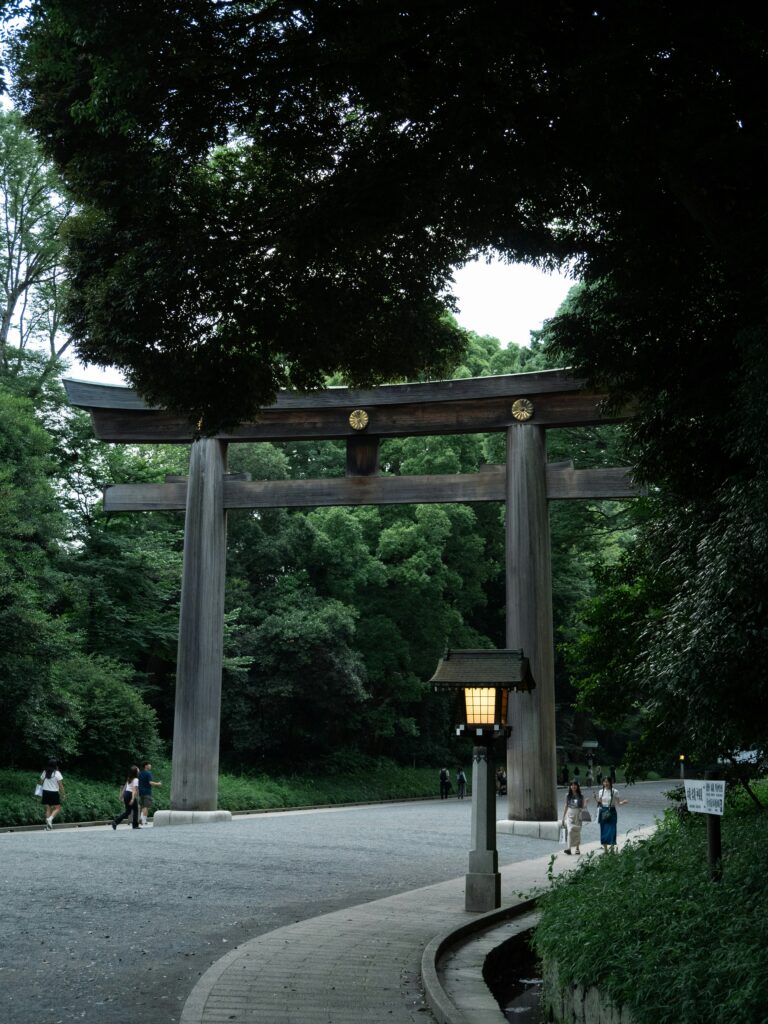
Begin at Meiji Shrine
Start your second morning at Meiji Shrine.
The walk through its forested grounds offers a completely different feeling from the busy neighborhoods surrounding it. It is peaceful, beautiful and a wonderful introduction to the spiritual side of Japan.
Give yourself enough time to enjoy the walk rather than treating the shrine as a quick photo stop.
For travelers who want a deeper cultural experience, a private Zen meditation session or Japanese calligraphy lesson can also be incorporated into a Tokyo itinerary.
Explore Harajuku
From Meiji Shrine, walk toward Harajuku.
Takeshita Street is colorful, crowded and filled with youth fashion, sweets and pop culture. It may not appeal to every traveler, but it is a fun contrast to the serenity of the shrine.
Families and teenagers may especially enjoy this area, while adults looking for a more polished shopping experience can continue toward Omotesando.
Walk Through Omotesando
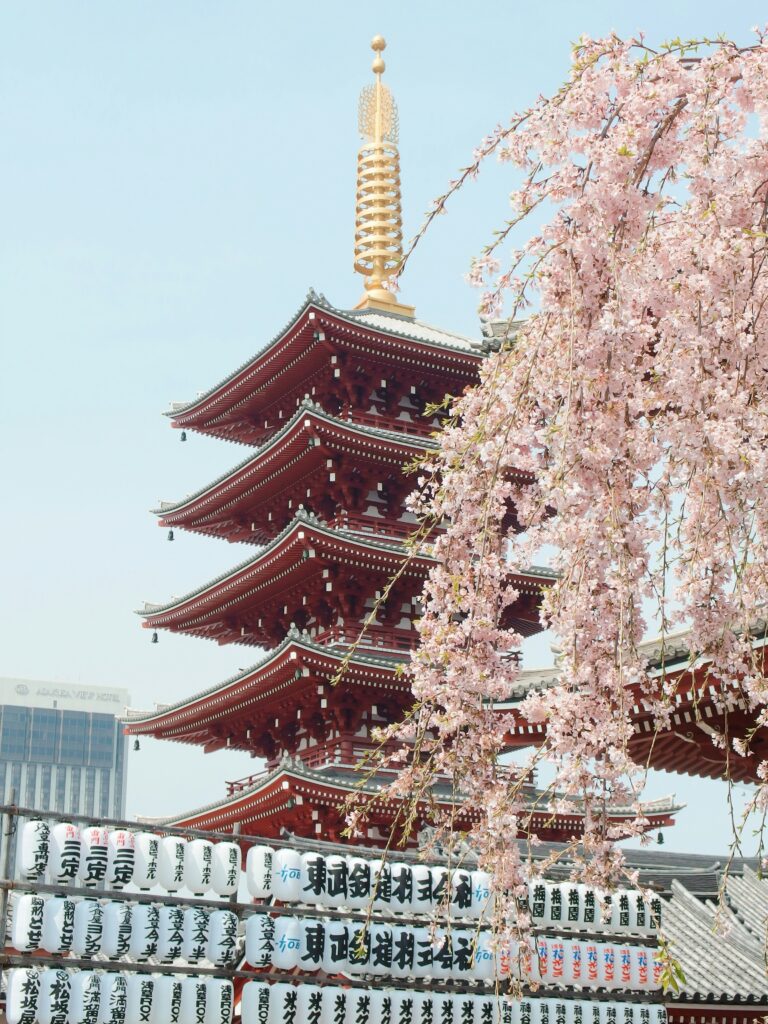
Omotesando is a wide, tree lined avenue known for luxury boutiques, impressive architecture and stylish cafés. It has a more sophisticated atmosphere than Takeshita Street and is sometimes compared to the Champs Élysées in Paris.
Allow time to explore the smaller streets branching away from the main avenue. This is where you will find independent boutiques, design shops and quieter cafés.
End the Afternoon in Shibuya
Continue to Shibuya to see one of Tokyo’s most energetic neighborhoods.
Walk through the famous Shibuya Crossing, visit the Hachiko statue and explore the surrounding shops. For a view over the city, consider reserving an observation experience near sunset.
Shibuya is busy, bright and exciting. It is an ideal place to experience modern Tokyo after beginning the day in the peaceful setting of Meiji Shrine.
Choose a Special Final Experience
Your last evening can be designed around what interests you most.
Food and wine lovers may enjoy a private premium sake tasting paired with seasonal dishes. Art lovers could consider an ukiyo-e experience and watch Hokusai’s Great Wave recreated using traditional techniques.
You could also explore Tokyo’s cocktail scene, arrange a private evening food tour or enjoy dinner with a view of the city.
For something completely different, a helicopter flight over Tokyo offers an incredible perspective of the city’s size and skyline.
Where Should You Stay in Tokyo?
Choosing the right hotel and neighborhood is especially important when you only have 48 hours in Tokyo.
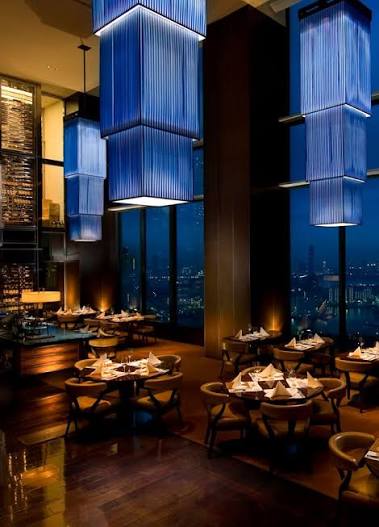
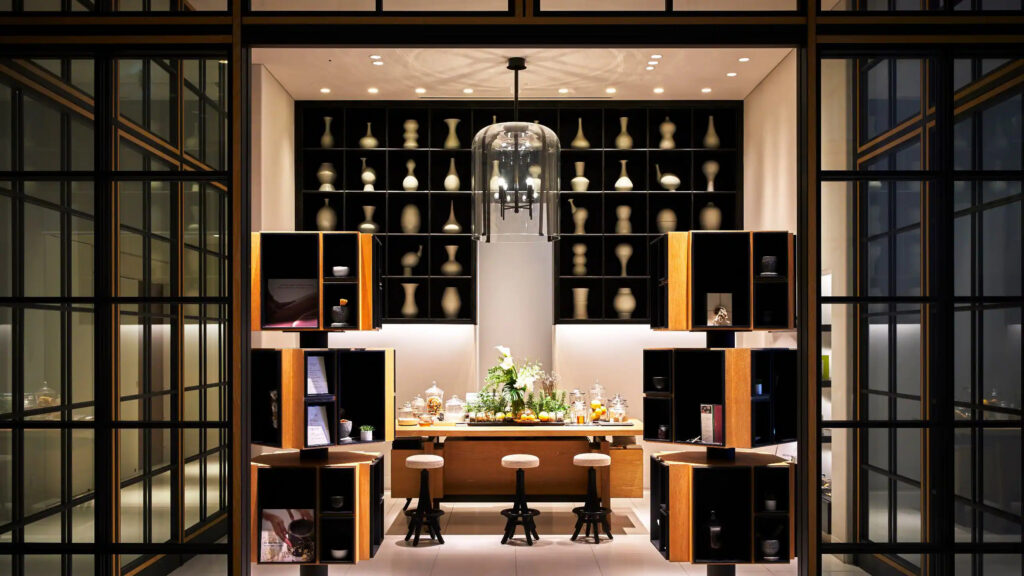
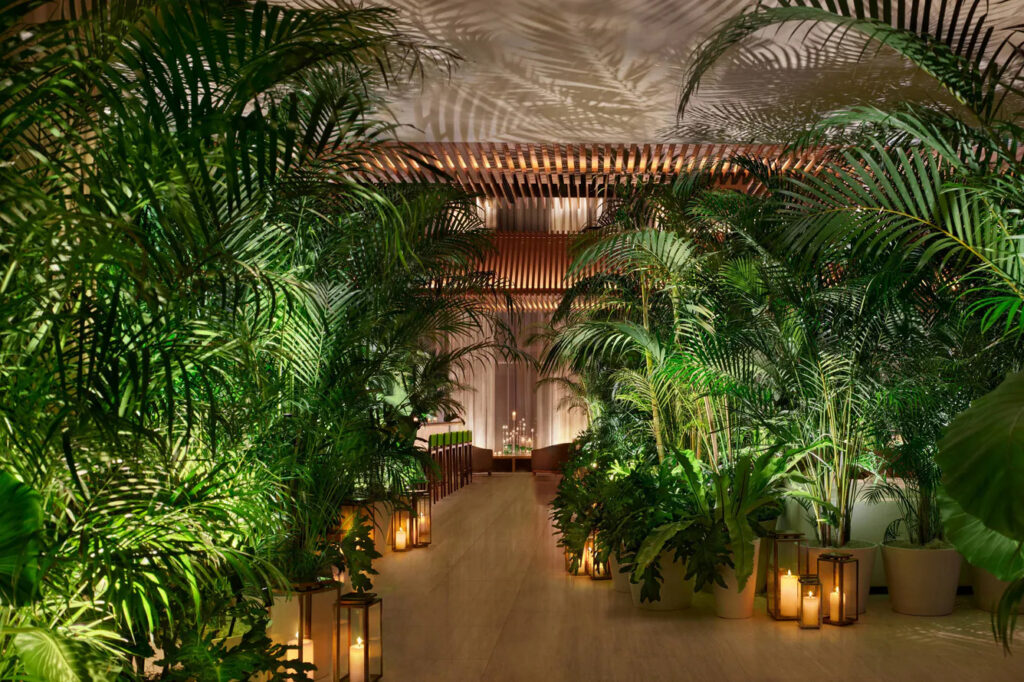
I have access to a wonderful selection of Virtuoso hotels throughout the city. When you reserve an eligible Virtuoso rate through me, your stay may include daily breakfast for two, a hotel credit, priority for a room upgrade and other VIP amenities. Benefits vary by hotel and are based on availability.
Conrad Tokyo: Best for Location and Spacious Rooms
Conrad Tokyo is located in Shiodome, close to Ginza, Tsukiji Outer Market and Hamarikyu Gardens.
It is a great choice for travelers who want spacious rooms, impressive views and convenient access to shopping, dining and sightseeing. The hotel also has an excellent concierge team that can assist with restaurant reservations and special cultural experiences.
The Tokyo EDITION, Toranomon: Best for a Hip and Social Atmosphere
The Tokyo EDITION, Toranomon is a good fit for travelers who enjoy contemporary design, creative dining, cocktails and a livelier hotel atmosphere.
Its central location works well for exploring Ginza, Roppongi, the Imperial Palace area and other parts of central Tokyo.
Andaz Tokyo Toranomon Hills: Best for Views and Modern Japanese Design
Andaz Tokyo Toranomon Hills combines modern Japanese design with incredible views over the city.
The atmosphere is stylish and sophisticated without feeling overly formal. It is an excellent choice for couples who enjoy beautiful design, rooftop cocktails and being close to both Ginza and Roppongi.
Aman Tokyo: Worth the Splurge
Aman Tokyo is one of Tokyo’s most exclusive hotels and, for the right traveler, worth the splurge.
Located high above the city in the Otemachi district, Aman Tokyo offers spacious accommodations, minimalist Japanese design, exceptional privacy and a peaceful atmosphere that feels far removed from the energy below.
This is the hotel to consider if the hotel itself is an important part of your experience. It is especially appealing for a honeymoon, anniversary or special celebration when you want the stay to feel truly memorable.
There is no single best hotel for everyone. The right choice depends on your budget, personal style and how you want to experience Tokyo. My role is to help you decide where it makes sense to splurge and where you may be able to save without giving up the location, comfort or amenities that matter most to you.
Continuing From Tokyo to Kyoto and Beyond
Tokyo is often the first stop in a longer journey through Japan.
The Shinkansen, commonly called the bullet train, connects Tokyo with Kyoto in approximately two hours and ten minutes. It is comfortable, efficient and an experience worth including in your trip.
I recommend reserving seats in advance, particularly during busy travel periods. If you are traveling with a larger suitcase, you may also need to reserve a seat with access to an oversized luggage area.
On the Tokaido Shinkansen between Tokyo, Kyoto and Osaka, luggage with total dimensions between 160 and 250 centimeters requires an oversized baggage reservation.
Before purchasing a nationwide Japan Rail Pass, it is important to compare the cost with your actual itinerary. A rail pass is not automatically the best value for every traveler. Individual train tickets can sometimes make more sense, especially if you are only traveling between Tokyo, Kyoto and Osaka.
My Advice About Luggage in Japan
Depending on how much luggage you have, I often recommend using Japan’s luggage forwarding service.
Usually, your hotel can assist with sending your luggage to your next hotel. There are also companies throughout Japan that specialize in luggage transportation. Both are paid services, and the price depends on the size of your suitcase and the distance it is being shipped.
Instead of carrying large suitcases through busy stations and onto the bullet train, you can have them delivered to your next destination.
For example, if you are traveling from Tokyo to Hakone for one night and then continuing to Kyoto, you could send your larger bags directly from your Tokyo hotel to your Kyoto hotel. You would travel to Hakone with a smaller overnight bag and meet your larger luggage in Kyoto.
Most deliveries between major cities require at least one day, so you should keep your passport, medications, electronics, valuables and a change of clothing with you. Delivery times can vary, and it is important to confirm that your next hotel can receive and hold your luggage.
This is one of those small details that can make traveling through Japan much easier. It is also something we will discuss when planning your itinerary, based on your route and how many bags you will be bringing.
Is 48 Hours Enough in Tokyo?
Two days will give you an introduction, but it will not allow you to see everything. If your schedule allows, I recommend spending at least three or four nights in Tokyo, especially on your first trip to Japan.
Additional time gives you the opportunity to explore Japanese art, visit teamLab, take a private food tour, shop in different neighborhoods or participate in a more immersive cultural experience.
Tokyo is also an excellent starting point before continuing by train to Hakone, Kyoto, Osaka or another region of Japan.
Let’s Plan Your Ultimate Tokyo Adventure
Anyone can find a list of Tokyo’s most popular attractions. My role is to help you decide which experiences are right for you and bring everything together in a way that makes sense.
That may include choosing the right hotel and neighborhood, securing special hotel amenities, organizing private guides, arranging cultural experiences and helping with restaurant recommendations.
Start thinking about your Tokyo hit list. Incredible food, shopping, Zen meditation, peaceful gardens or something completely unexpected.
Then reach out, and let’s plan your ultimate Tokyo adventure.
Based in Westlake Village, California, SG Luxury Adventures serves travelers throughout Los Angeles, Santa Barbara and beyond.
Visit www.sgluxuryadventures.com to begin planning your Japan adventure.